
Updated 2026-06-25. Reading time: 10 minutes.
The benefits of Thai massage are especially relevant in England because many people live with a combination of desk work, driving, cold-weather stiffness, stress, sport, commuting and busy family routines. Thai massage offers something different from a purely relaxing oil treatment: it combines pressure, assisted movement, stretching, rhythm and careful body awareness. The result can feel like a reset for the whole body, not just a pleasant pause.
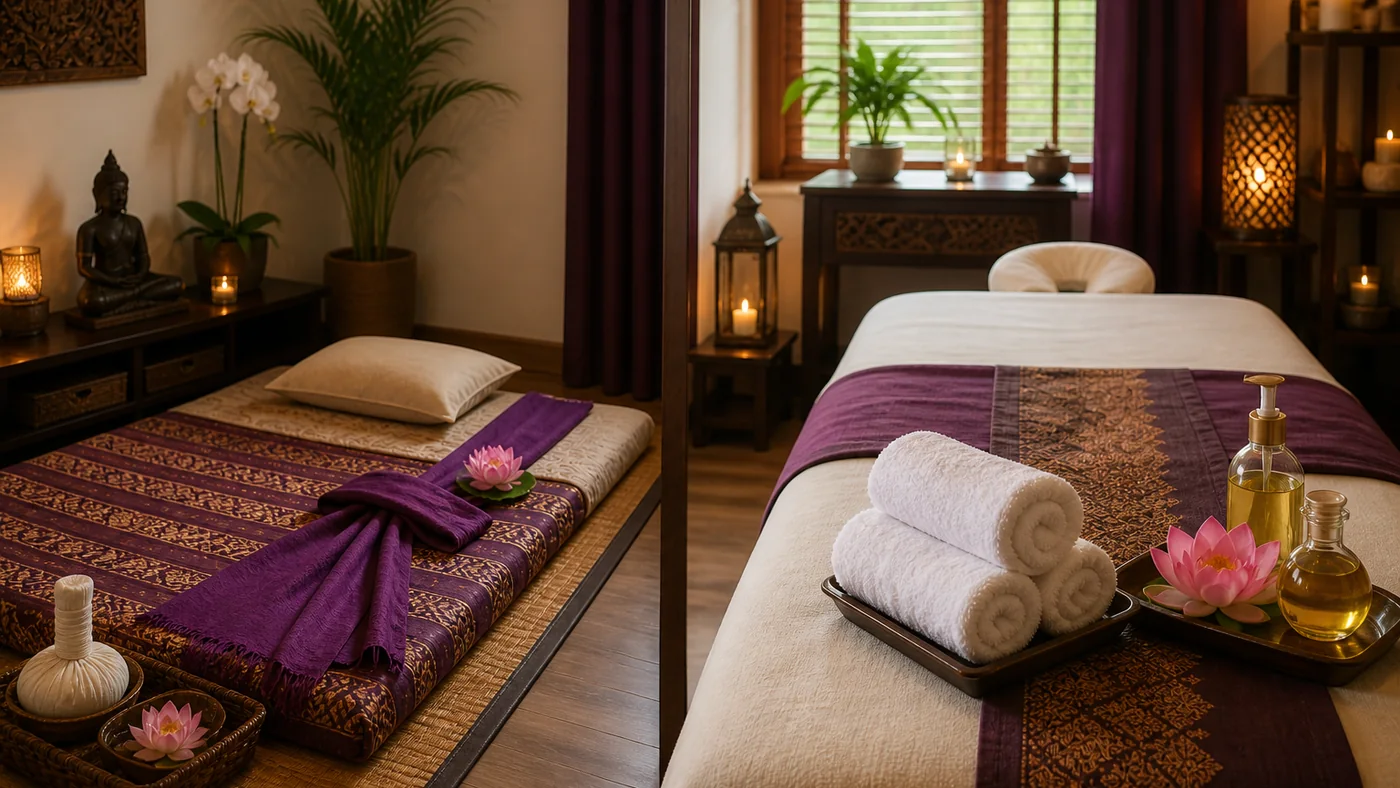
Thai massage combines pressure, stretching and rhythm for people who need a fuller body reset.
What Thai massage is designed to do
Thai massage, also known as Nuad Thai, is a traditional bodywork style from Thailand. It is usually performed fully clothed on a mat or firm treatment surface. Instead of relying only on oil and flowing strokes, the therapist uses palm pressure, thumb pressure, assisted stretches, gentle mobilisations and body-weight techniques. A good session should feel purposeful, structured and responsive to the person receiving it.
The aim is not simply to press hard. The best Thai massage works with the body's natural limits. It encourages areas that feel compressed, guarded or tired to soften gradually. The therapist may work through the feet, legs, hips, back, shoulders, arms and neck in a sequence that connects different parts of the body. That whole-body logic is one reason people often leave feeling more mobile and more awake in their posture.
For clients in England, this approach is practical because modern tension is rarely isolated. A stiff shoulder may be linked to a desk position, tight hips, stress breathing or long drives. A tired lower back may be influenced by hamstrings, glutes, feet or posture. Thai massage gives the therapist a broader map to work with.
Benefit 1: better mobility and a less compressed feeling
One of the most valued benefits of Thai massage is improved mobility. Many people describe the body after a session as feeling more open, longer or less compressed. This does not mean that massage magically changes joint structure. It means the combination of pressure, stretching and nervous-system relaxation can help muscles and connective tissues feel less guarded.
In England, this is useful because daily life often encourages stillness. Office work keeps the hips folded. Driving keeps the spine fixed. Cold weather can make shoulders rise and muscles brace. Thai massage introduces safe, guided movement into areas that may not receive enough varied motion during the week.
The assisted stretch element is especially helpful for people who do not stretch consistently on their own. A therapist can support the body, adjust the angle and slow the rhythm so the stretch feels controlled rather than forced. The goal is not extreme flexibility; it is useful freedom of movement.
Benefit 2: relief from desk, neck and shoulder tension
Desk tension is one of the most common reasons people book massage in England. Laptops, phones, long meetings and hybrid work can all place the neck and shoulders under repeated strain. Thai massage can be useful because it does not treat the shoulder line as an isolated problem. It may work through the upper back, chest, arms, neck and even the hips to help the body find a more balanced position.
Pressure around the shoulder blades, upper back and neck can feel relieving when applied with care. The therapist should adapt the intensity so the client can breathe calmly. If pressure is so strong that the body braces, the benefit drops. Good Thai massage uses firmness intelligently, not aggressively.
For a focused appointment, clients can also compare Thai massage with a Back & Shoulder Massage. If the main issue is a short-term build-up in the neck and shoulders, a targeted session may be enough. If the tension is connected to hips, legs, posture and general stiffness, a full Traditional Thai Massage often makes more sense.
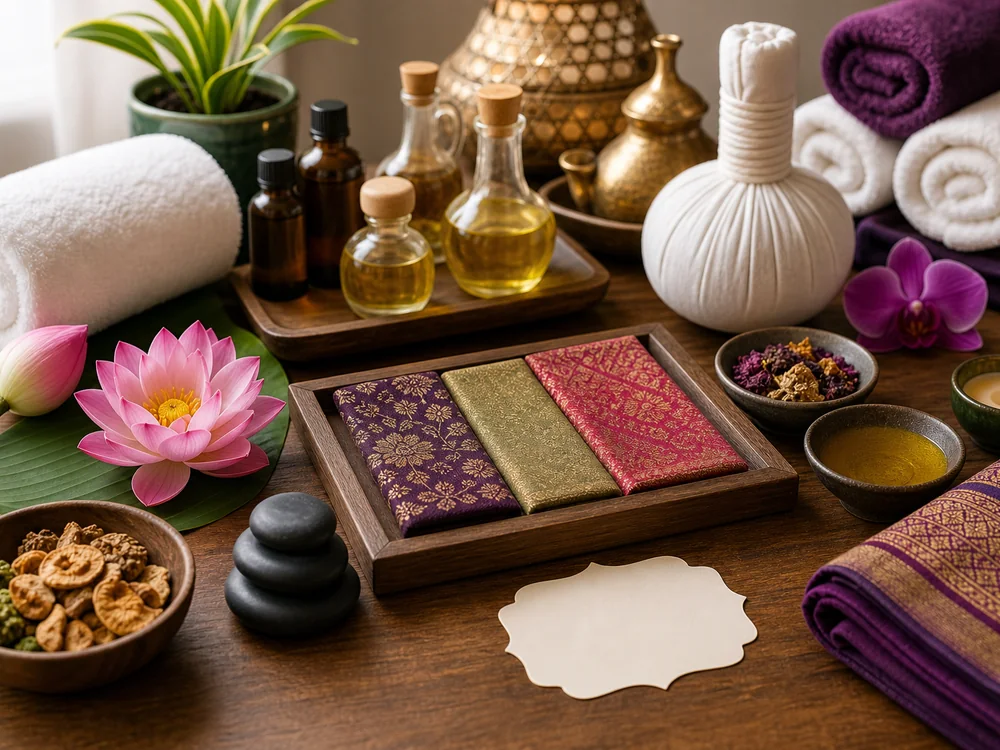
Assisted stretches can help the body feel less compressed after sitting, driving or training.
Benefit 3: a clearer relationship with posture
Thai massage can help people become more aware of their posture. This does not happen because the therapist lectures the client. It happens because the body feels the difference between tightness and release. After a session, clients may notice how they sit, how they stand, how they carry a bag, how they sleep or how they hold the shoulders when stressed.
This body awareness is valuable in England because many people move between car, desk, sofa and bed without much physical variety. Massage creates a reference point: this is what the back can feel like when it is not constantly braced; this is what the hips can feel like when they are not folded all day; this is how the breath changes when the shoulders stop lifting.
Thai massage should not be sold as a cure for posture problems. Lasting change comes from daily habits, movement, workstation adjustments, strength, sleep and sensible routines. But massage can make those changes easier because the client can feel what a less restricted body is like.
Benefit 4: stress relief without feeling passive
Some clients want relaxation but do not enjoy a treatment that feels too passive. Thai massage can be a good middle ground. It is calming, but it also gives the mind something clear to follow: pressure, stretch, breath, release and transition. For people who feel mentally busy, that structure can make it easier to switch off.
Stress often shows up physically. The jaw tightens. The shoulders lift. The breathing becomes shallow. The stomach feels tense. The lower back holds more than usual. Thai massage cannot remove the cause of stress, but it can help the body step out of a guarded state for a while. That can make the rest of the day feel more manageable.
In a UK routine, a massage appointment can become a practical wellbeing pause. It gives the client a planned hour or ninety minutes where the phone is away, the body is attended to and the pace slows down. For many people, that protected time is as important as the physical technique.
Benefit 5: support for active people and weekend athletes
Thai massage can also be useful for active people: runners, cyclists, gym-goers, golfers, walkers and people with physically demanding jobs. Training and work both create repeated patterns. Calves, hamstrings, hips, shoulders and lower back can become tight or tired. Thai massage offers a way to work through those patterns with pressure and movement.
The goal is not to replace sports recovery, physiotherapy or medical care. If someone has sharp pain, swelling, injury or a diagnosed condition, they should seek appropriate professional advice. But for general stiffness, tired legs, heavy shoulders and the feeling of being physically overloaded, Thai massage can be a sensible part of a recovery routine.
Clients who train regularly should communicate clearly. Tell the therapist about recent workouts, old injuries, sensitive areas and what you need from the session. A firmer treatment may be useful in some areas, but heavy pressure immediately before an important race or event may not be the best choice. Timing matters.
Benefit 6: warmth and circulation in colder months
England's colder months can make the body feel tighter. People walk hunched against wind, sit indoors longer and often move less. Warmth, pressure and careful stretching can feel especially good in autumn and winter. Thai massage does not need to be hot to be effective, but the combination of treatment-room warmth and rhythmic bodywork can help clients feel less rigid.
Some people prefer a smoother, warmer treatment style during colder weather. In that case, Thai Massage with Hot Oil can be a better match. It keeps a Thai-inspired pressure approach while adding warmth and glide. Traditional Thai massage is usually more movement-based; hot oil massage is often more soothing for clients who want comfort as well as release.
The best treatment depends on the person. Someone who feels stiff and compressed may prefer traditional Thai work. Someone who feels tired, cold or stressed may prefer hot oil. A good spa should help the client choose without making the menu feel complicated.
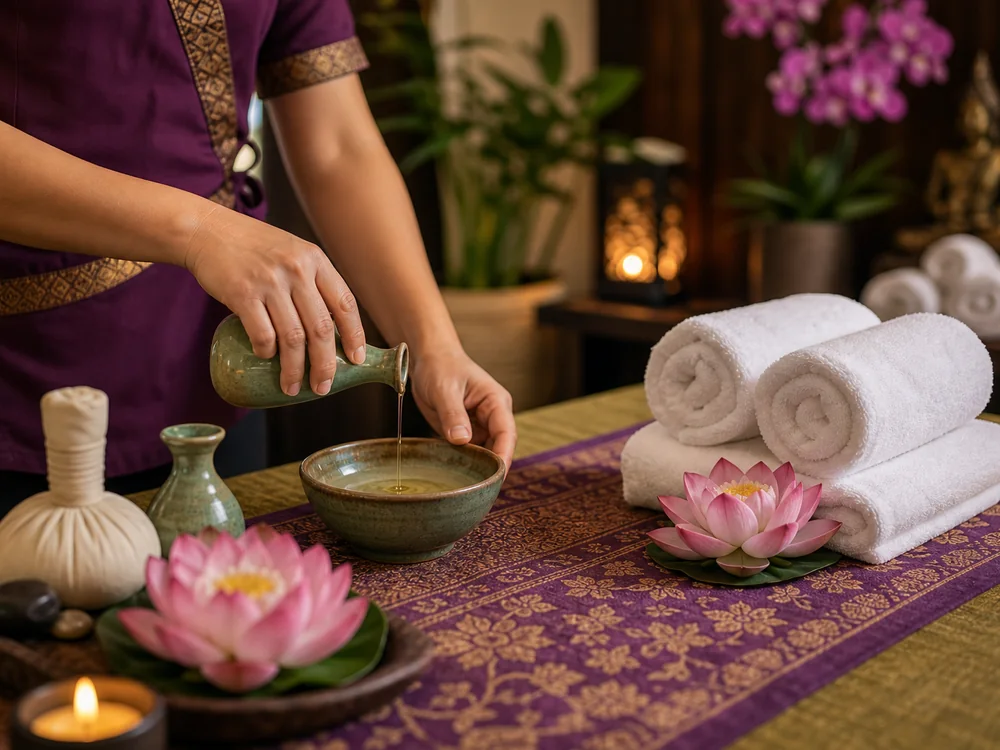
In England, Thai massage is especially useful for desk shoulders, cold-weather stiffness and busy routines.
Why Thai massage works well in England
Thai massage fits life in England because it answers several common needs at once. It can be restorative for people who sit at desks, grounding for people under stress, practical for people who drive, useful for active clients and comforting during colder months. It also offers a sense of cultural depth. The treatment comes from Thailand, but it adapts well to modern British routines when delivered professionally.
In towns like Beverley, people often want a local treatment that feels calm, reliable and more meaningful than a generic massage. La Mai Spa's Thai massage identity matters because clients are not only booking pressure; they are booking a tradition, a rhythm and an experience. The appointment should feel respectful, grounded and tailored to the person on the mat.
The English setting also makes aftercare important. Many clients finish a massage and go straight back to errands, screens, driving or family responsibilities. To keep the benefits longer, it helps to walk gently, drink water, stay warm and avoid heavy exercise immediately after deeper work. Even ten quiet minutes after the appointment can change how the body absorbs the treatment.
Who should choose Thai massage?
Thai massage is a good option for clients who like purposeful bodywork, assisted movement and a firmer sense of structure. It suits people who feel compressed, stiff, tired from desk work or generally in need of a reset. It can also suit clients who already enjoy massage but want something more active than a classic oil treatment.
It may not be the best first choice for everyone. Clients who want a very light, purely pampering experience may prefer Swedish oil or aromatherapy. Clients who dislike stretching, have acute pain, are pregnant, recently had surgery or have medical concerns should ask for guidance before booking. Massage should always adapt to the client, not the other way around.
Communication is the key. Tell the therapist what you want, what you do not want, where the body feels sensitive and how firm you like the pressure. A professional therapist will not be offended by feedback. Clear communication makes the treatment safer and more useful.
How often should you book?
There is no single correct frequency. Some people book Thai massage once a month as part of general wellbeing. Others book more often when work is intense, training volume is high or shoulder tension keeps returning. A short focused session every few weeks can help some clients, while others prefer a longer full-body treatment less frequently.
The best schedule depends on the goal. If the goal is stress management, a regular rhythm may matter more than treatment intensity. If the goal is mobility, consistency and daily movement between sessions are important. If the goal is recovery from physical work, massage should sit alongside rest, hydration, sleep and sensible load management.
Use the first appointment as information. Notice how your body feels the same day, the next morning and two days later. If the pressure felt too much, choose gentler work next time. If the session felt helpful but too short, book longer. Good bodywork is a conversation over time.
Preparing for a Thai massage session
Before your appointment, avoid a heavy meal, arrive a few minutes early and think about your main reason for booking. Are the shoulders the priority? Are the hips tight? Are you tired from driving? Do you want firm pressure or a calmer treatment? The clearer you are, the easier it is for the therapist to shape the session.
Wear comfortable clothing if the treatment is mat-based and involves stretching. If the spa provides clothing, follow their guidance. Remove watches, jewellery and anything that restricts movement. During the session, breathe normally and speak up if anything feels sharp, too strong or uncomfortable.
After the massage, keep the rest of the day realistic. A deep Thai massage can feel energising, but it can also make you sleepy. Gentle walking, water and warmth are usually better than rushing straight into heavy activity. The body often continues to respond after the appointment ends.
FAQ: benefits of Thai massage
Is Thai massage good for desk workers?
Yes, it can be very useful for desk workers because it addresses the neck, shoulders, back, hips and legs as connected areas. It is especially helpful when tension feels linked to sitting, laptop use or driving.
Is Thai massage painful?
It should not be painful. Firm pressure can feel intense, but you should still be able to breathe and relax. If you brace, hold your breath or feel sharp discomfort, ask for less pressure.
Is Thai massage better than oil massage?
Neither is automatically better. Thai massage is usually more active, structured and stretch-based. Oil massage is often smoother and more calming. The right choice depends on your body and your goal.
Can Thai massage help with stress?
Thai massage can help the body feel calmer and less guarded, which may support stress relief. It does not remove the cause of stress, but it can create a valuable physical pause.
Where can I try Thai massage in Beverley?
Start with the Traditional Thai Massage page or compare the full La Mai Spa treatment menu. If you are unsure, send a booking enquiry and explain what you want help with.
Conclusion
The benefits of Thai massage are broad because the treatment works with the whole body. It can support mobility, posture awareness, desk tension, stress relief, active recovery and general wellbeing. In England, where many people combine long sitting hours, cold weather, driving and busy routines, Thai massage offers a practical and deeply restorative way to reconnect with the body.
For clients in Beverley and East Yorkshire, La Mai Spa offers a calm local route into this Thai tradition. Choose traditional Thai massage if you want structure, pressure and assisted movement. Choose Thai hot oil massage if you want warmth and a softer rhythm. Either way, the best treatment is the one that matches your real body on the day you arrive.