
Updated 2026-06-25. Reading time: 7 minutes.
What to decide before you book
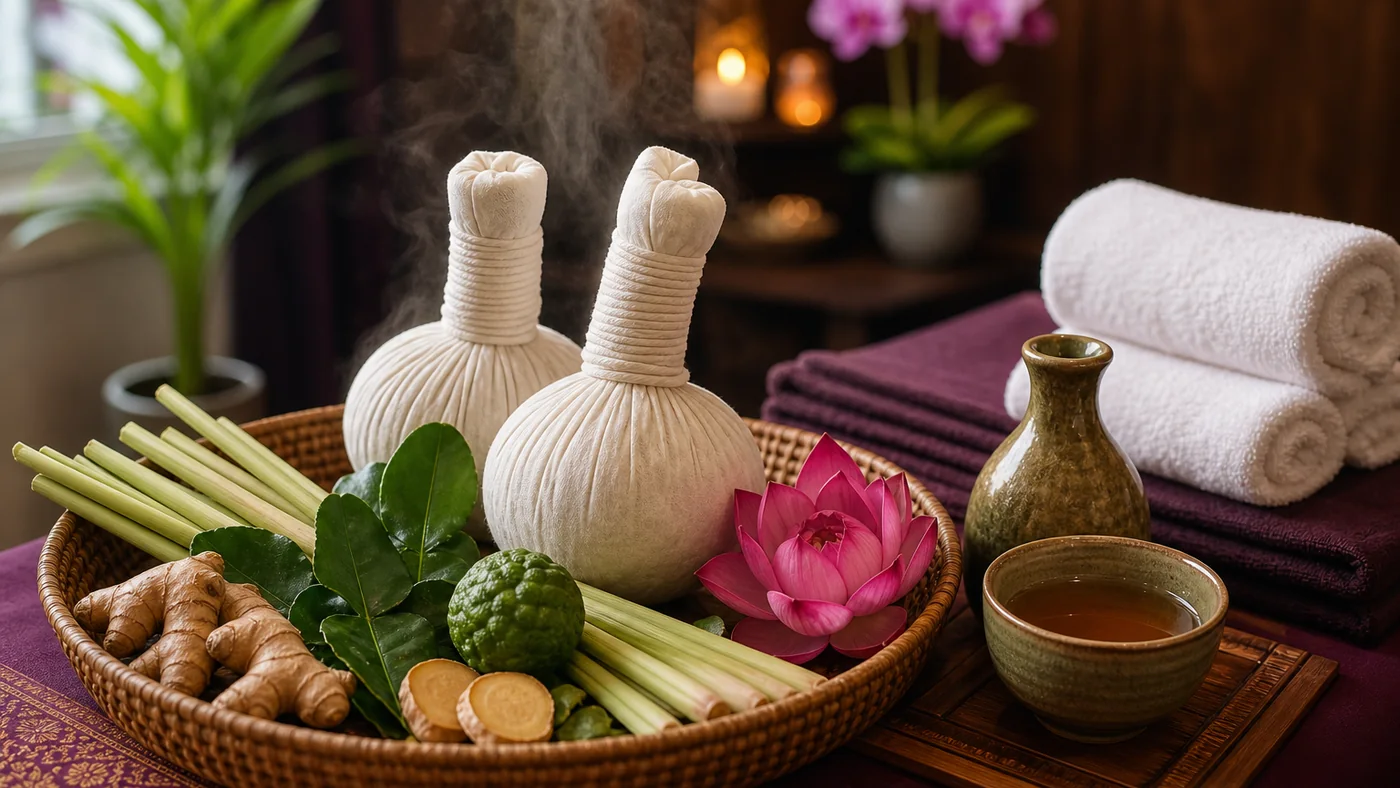
Choosing a massage should feel reassuring, not like a test. If you are searching for Thai herbal compress massage, the most useful starting point is to decide what you want your body to feel like when you leave: lighter, looser, calmer, warmer or more mobile. The archive showed herbal compress massage as part of La Mai Spa's Thai therapy identity, so the rebuilt site keeps that theme visible. This guide explains understanding warmth, herbs and aftercare in Thai bodywork in plain language so you can book with more confidence.
For a client curious about herbal compresses and warming treatments, the difference between treatments usually comes down to pressure, movement, oil and pace. Thai Herbal Compress Massage is the better fit when you want purposeful bodywork and clear attention to tired muscles, broad back tension, legs and areas that respond well to warmth. Thai Massage with Hot Oil is useful when your goal is comfort, warmth or a softer route into the same sense of release.
A good appointment starts before you arrive. The therapist can only adapt the session if you share enough information, so mention whether your tension is recent, long-standing, stress-related or linked to sport, driving, desk work or sleep. If you prefer quiet, say so. If you want the therapist to check pressure regularly, say that too. Professional massage works best when communication is simple and direct.
How pressure and pace should feel
Thai Herbal Compress Massage is best understood as a conversation with the body. Pressure does not need to be painful to be effective, and relaxation does not mean the treatment has to be vague. The therapist should be able to slow down around sensitive areas, use broader pressure where muscles are guarded and spend more time where your body gives useful feedback.
The main reason clients choose this route is people who enjoy heat, scent and a slower restorative pace. That can mean releasing the upper back after a week at a laptop, helping the hips feel less compressed after long drives, or giving tired legs a sense of space. It can also be a reset for people who feel mentally busy and need a treatment with enough structure to hold their attention.
It is equally important to know when this is not the right choice. This guide is not for clients who dislike warmth or have heat sensitivity without professional advice. If you are injured, unwell, pregnant, recovering from surgery or managing a condition that changes how your body responds to pressure or heat, check professional medical guidance first and tell the therapist before the session starts.
How La Mai Spa fits the choice
At La Mai Spa, the restored archive showed a focus on Thai massage, hot oil work, head and shoulder massage and herbal compress therapy. That matters because a spa with a clear treatment identity can guide you more honestly than a menu that tries to be everything at once. You can begin with the Thai Herbal Compress Massage page or compare the full massage treatment menu before sending an enquiry.
Before your appointment, tell the therapist about sensitivity to heat, fragrance or skin irritation. Avoid a heavy meal immediately beforehand and give yourself a little time either side of the appointment. Turning up rushed often makes the first ten minutes harder because the nervous system is still catching up with the body.
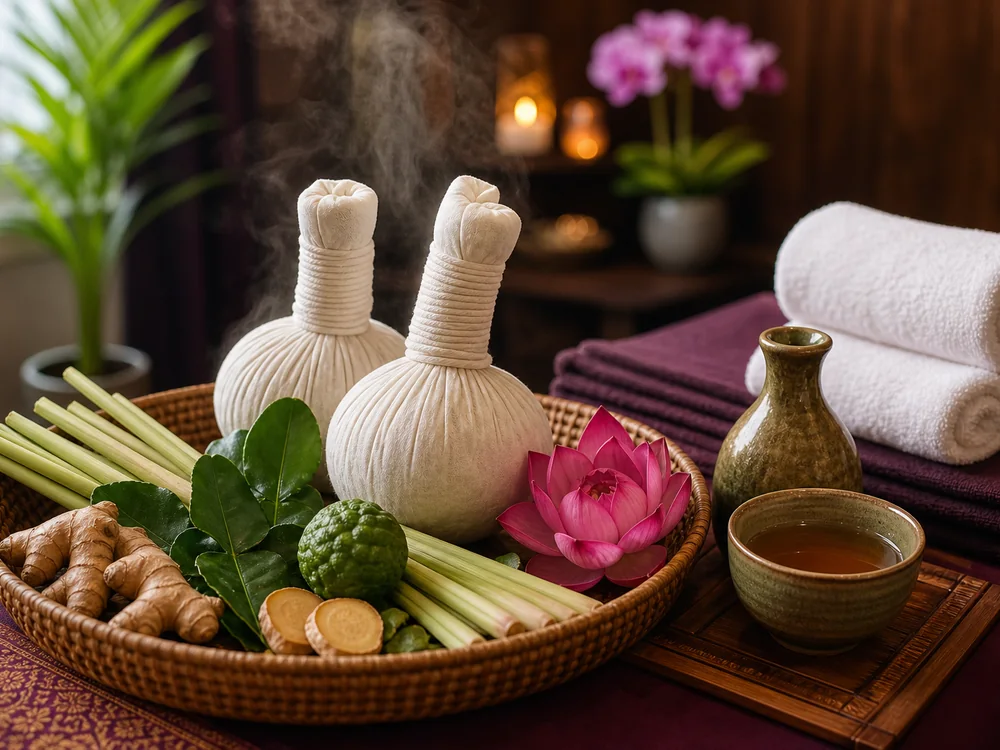
A calming treatment detail to help compare the feel and rhythm of the appointment.
During the session
During the treatment, pressure should feel clear but workable. A useful way to think about pressure is a scale from one to ten: around six or seven can be productive for tight muscles, while eight or above may make you brace. Bracing is usually a sign to reduce intensity. If a stretch feels sharp, if heat feels too strong or if a position is uncomfortable, speak up early.
The strongest massage is not always the most useful massage. Many clients get better results from consistent medium pressure, careful breathing and enough time for each area to soften. When the therapist works with the body's response instead of forcing through it, the session feels more professional and the after-effect is usually calmer.
Aftercare and timing
After the appointment, let the warmth continue working by resting, hydrating and keeping the body comfortable. Some people feel immediately lighter, while others feel sleepy or slightly tender for a day. Both can be normal responses to bodywork. What matters is that tenderness should be mild and temporary, not sharp or worsening. If something feels unusual, pause strenuous activity and seek appropriate advice.
If you are booking for a specific event, do not schedule the massage moments before you need to be energetic. A treatment the day before a calm weekend can be ideal. For deeper or firmer work, many clients prefer to leave the rest of the day gentle. For a lighter oil treatment, the recovery window is usually easier.
The right frequency depends on your body and your reason for booking. Someone with occasional stress may enjoy a monthly appointment. Someone with recurring desk tension may prefer a short focused session every two or three weeks. Training clients may book around heavy activity, but massage should sit alongside sleep, hydration and sensible movement rather than replace them.
Booking the right way
A helpful booking message includes your preferred treatment, time length, main area of tension, pressure preference and anything the therapist should avoid. If you are choosing a gift, the La Mai Spa gift voucher page gives a more flexible route because the recipient can choose their own style.
Finally, choose the treatment that matches your real goal, not the one that sounds most impressive. If your goal is clarity, mobility and firm bodywork, start with Thai Herbal Compress Massage. If your goal is warmth, softness or an easier first session, Thai Massage with Hot Oil may be the calmer route. Both can be excellent when they are matched to the person in front of the therapist.
Think about the appointment length as part of the result. A short session can be excellent for a single priority, especially if the target is the neck, shoulders or back. A longer session is better when the therapist needs time to connect several areas, such as hips and lower back, or calves and feet. If you ask for everything in a very short slot, the treatment may feel rushed even when the pressure is good.
Morning and evening bookings can also feel different. A morning treatment is useful when you want to move through the rest of the day feeling clearer, but it should not be followed immediately by heavy training or stressful errands. An evening treatment can be more restful because you can go home, eat lightly and let the body settle. Neither is automatically better; the best time is the one that lets you protect the aftercare.
Real-life scenarios to consider
If you have not had massage for a long time, begin more conservatively than your ambition suggests. Many people ask for very firm pressure because they believe tension has to be attacked. In practice, muscles often respond better when the therapist builds pressure gradually. That gives the nervous system time to trust the work and allows the therapist to distinguish useful resistance from discomfort.
Clothing and comfort matter as much as technique. For Thai-style work, wear or bring clothing that lets you move easily if the appointment involves stretching. For oil treatments, the therapist will explain privacy and draping so only the area being worked is uncovered. If you are unsure about any part of the process, ask before the treatment starts. A professional spa experience should never rely on guesswork.
Clients often ask whether one treatment can fix a long-running issue. Massage can help the body feel easier, but lasting change usually comes from combining good treatment choices with daily habits. If desk posture is the trigger, adjust your screen height and take movement breaks. If training is the trigger, plan recovery days. If stress is the trigger, protect sleep and hydration. Massage works best as part of that wider routine.
For couples, friends or family members booking together, avoid assuming both people need the same session. One person might want Thai Herbal Compress Massage because they like structure and pressure, while another may enjoy Thai Massage with Hot Oil because the warmth and rhythm feel more reassuring. A mixed booking can make the visit more successful than forcing everyone into a single treatment style.
When you compare options online, look for signs that the spa explains the experience clearly. Useful pages describe who the treatment suits, what pressure may feel like, how to prepare and how to communicate during the appointment. That is why this rebuilt site includes dedicated pages for Thai Massage with Hot Oil, treatment comparison and aftercare rather than leaving visitors to guess from a price list alone.
Finally, use your first appointment as information. If you leave feeling relaxed but still want deeper work, try a firmer or longer treatment next time. If you leave feeling tender, choose a gentler session or ask the therapist to reduce intensity. Good massage is adjustable; the more accurately you describe your response, the easier it is to shape the next appointment around your body.
Quick answers
Is Thai Herbal Compress Massage painful?
It should not be. Firm pressure can feel intense, but you should still be able to breathe calmly and relax into the work. Ask for less pressure whenever you need it.
Should I choose Thai Massage with Hot Oil instead?
Choose Thai Massage with Hot Oil if you want more warmth, glide or relaxation. Choose Thai Herbal Compress Massage if you want more structure, stretch and targeted bodywork.
How do I book?
Start with the treatment page, then send a clear request through the online booking enquiry page or the contact form.